 01
01Dr. Hilal Abu-Ghosh
Consultant in Obstetrics, Gynecology, Infertility & IVF
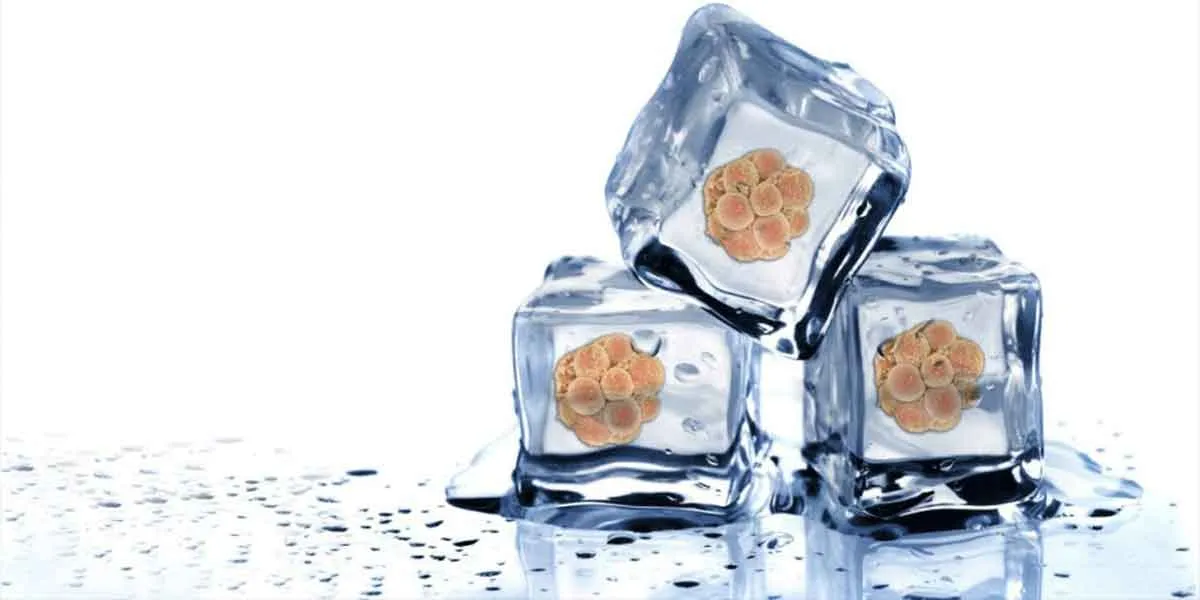
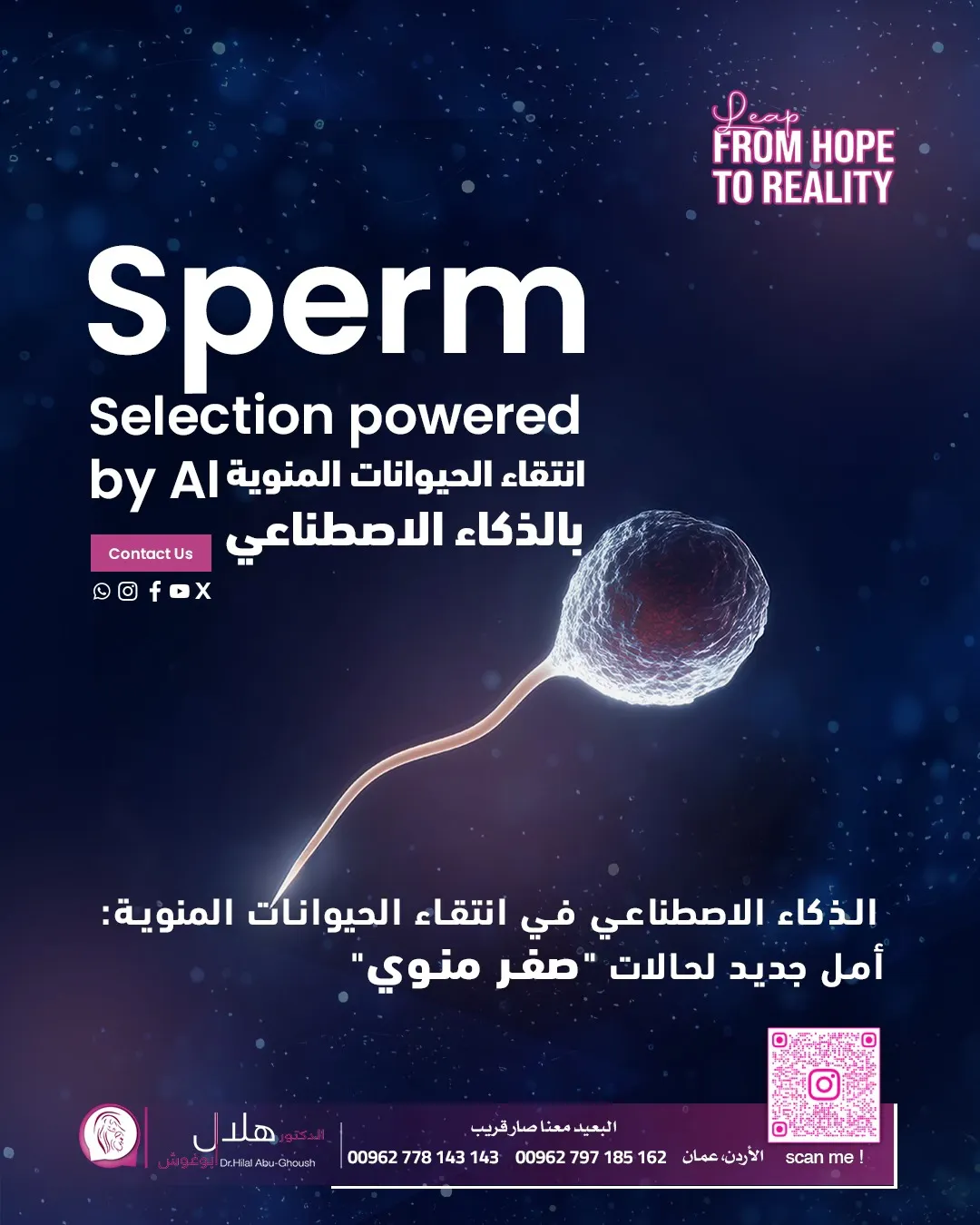
A center specialized in fertilization and freezing of selected eggs after stimulation procedures in couples, especially the male partner. The sperm is retrieved, filtered to isolate the strongest, and placed in an optimal environment to achieve fertilization through scientifically approved protocols and international medical standards.

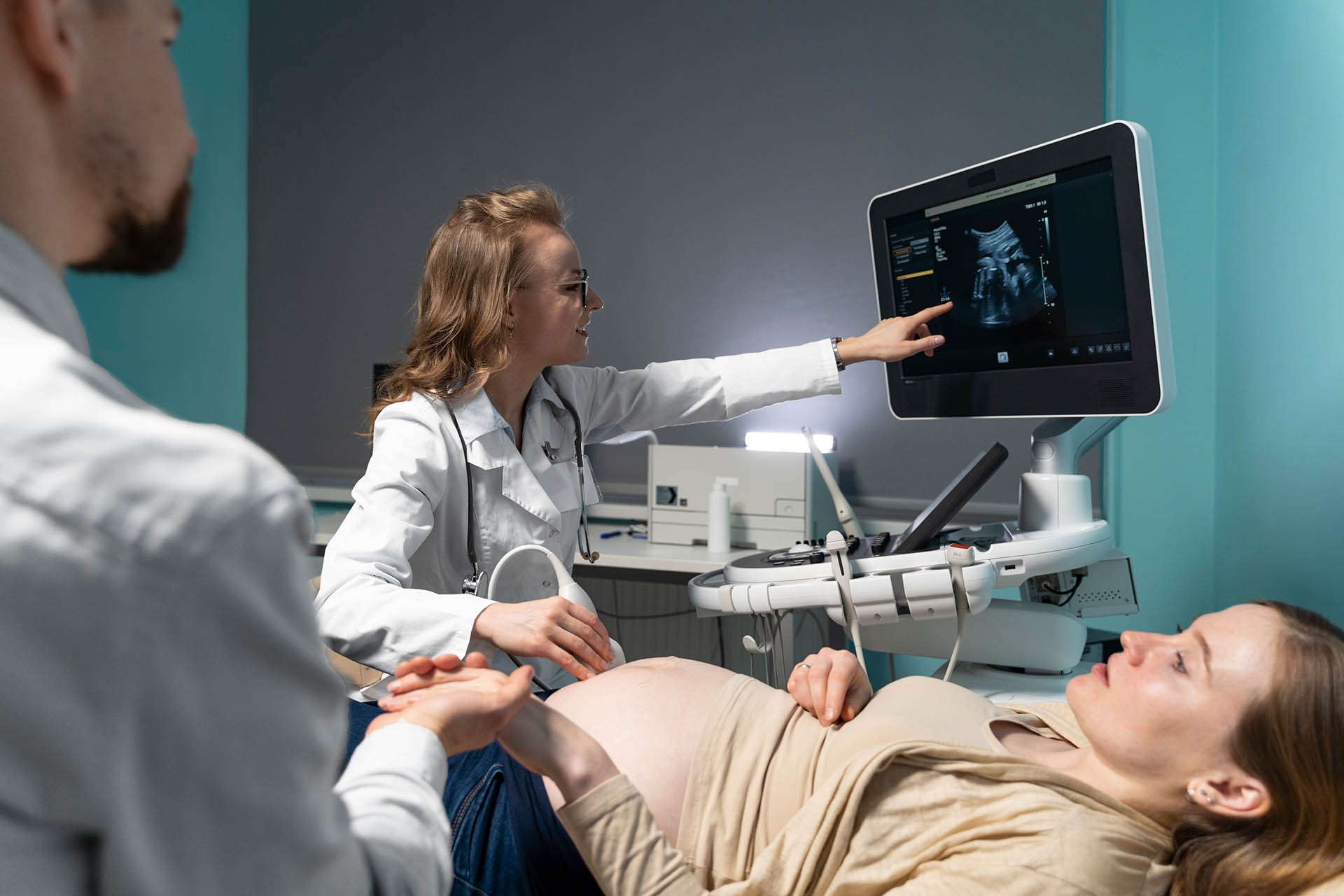
Book your appointment easily with the best IVF center in Jordan
(IVF) Al-Shmeisani Fertility and Genetics Center
A specialized center for treating infertility and assisting with pregnancy and childbirth, licensed by the Ministry of Health since 27/12/2015. We are pleased to welcome patients from all over the world.
The center is equipped with the latest scientific devices and technologies. It is managed by the distinguished Dr. Hilal Abu Ghoush, Consultant in Gynecology, Obstetrics, Infertility Treatment, and IVF.
A strict quality system is applied to ensure the best results. The Al-Shmeisani Fertility Unit is distinguished by the most advanced methods for diagnosing and treating simple, complex, and unexplained infertility cases, as well as recurrent IVF failure cases.
01Consultant in Obstetrics, Gynecology, Infertility & IVF
 02
02Specialist in Obstetrics, Gynecology & IVF
 03
03Specialist in Obstetrics, Gynecology & IVF
 04
04Specialist in Obstetrics, Gynecology & IVF
The Shmeisani Fertility Unit applies a strict quality system and uses advanced methods to treat all types of infertility, including repeated IVF failures.
The success rate of IVF and artificial insemination in the Arab and international world depends on the advancement of science and the IVF centers’ adaptation to the latest developments.




The Most Recent Updates & Announcements
Stay informed with expert insights, fertility tips, and the latest advancements in IVF to support your parenthood journey.
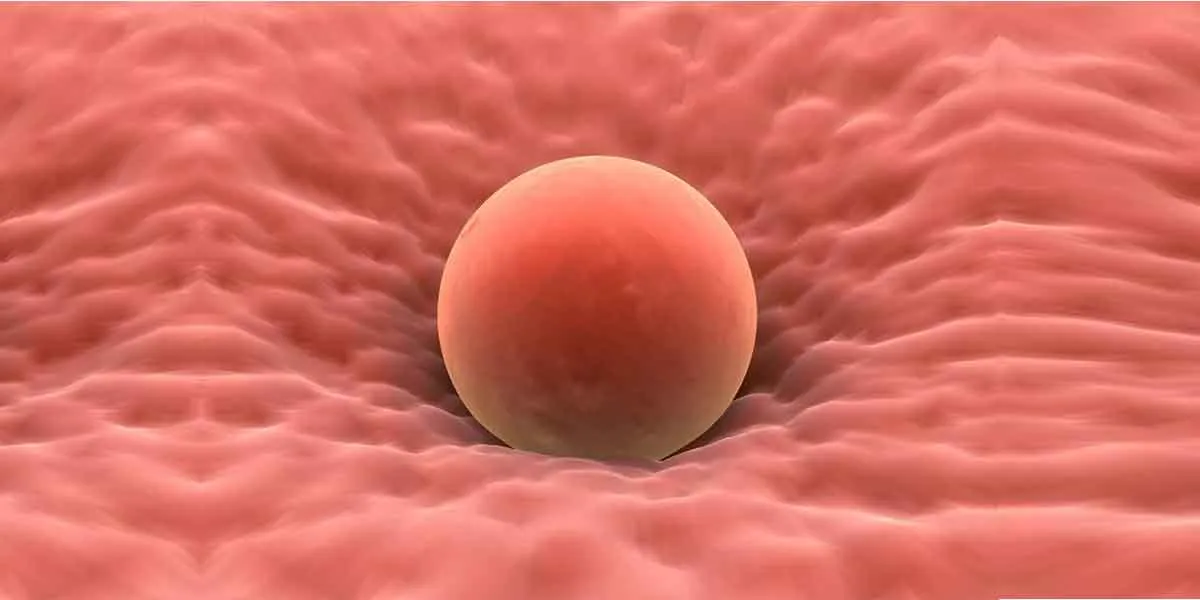
It is the fertilization of an egg with sperm in a laboratory dish (test tube) after retrieving mature eggs from the ovary. The eggs are then combined only with healthy, washed sperm to achieve fertilization.