مستشفى الشميساني | د.هلال ابوغوش | افضل دكتور اطفال انابيب في الأردن | الاردن

Centro Shmeisani de Fertilidad y Genética

Dirigido por el Consultor

Dr. Hilal Abu Ghosh

Un centro especializado en la fertilización y congelación de óvulos seleccionados después de procedimientos de estimulación en parejas, especialmente en el caso del hombre. El esperma se obtiene y se filtra para aislar los más fuertes, y luego se coloca en un entorno óptimo para lograr la fertilización mediante protocolos científicos aprobados y estándares médicos internacionales.

Centro Shmeisani de Fertilidad y Genética

Dirigido por el Consultor

Dr. Hilal Abu Ghosh

Un centro especializado en la fertilización y congelación de óvulos seleccionados después de procedimientos de estimulación en parejas, especialmente en el caso del hombre. El esperma se obtiene y se filtra para aislar los más fuertes, y luego se coloca en un entorno óptimo para lograr la fertilización mediante protocolos científicos aprobados y estándares médicos internacionales.

Centro Shmeisani de Fertilidad y Genética

Dirigido por el Consultor

Dr. Hilal Abu Ghosh

Un centro especializado en la fertilización y congelación de óvulos seleccionados después de procedimientos de estimulación en parejas, especialmente en el caso del hombre. El esperma se obtiene y se filtra para aislar los más fuertes, y luego se coloca en un entorno óptimo para lograr la fertilización mediante protocolos científicos aprobados y estándares médicos internacionales.

Reserva tu cita ahora

Reserva tu cita fácilmente con el mejor centro de FIV en Jordania

(IVF) Al-Shmeisani Fertility and Genetics Center

A specialized center for treating infertility and assisting with pregnancy and childbirth, licensed by the Ministry of Health since 27/12/2015. We are pleased to welcome patients from all over the world.

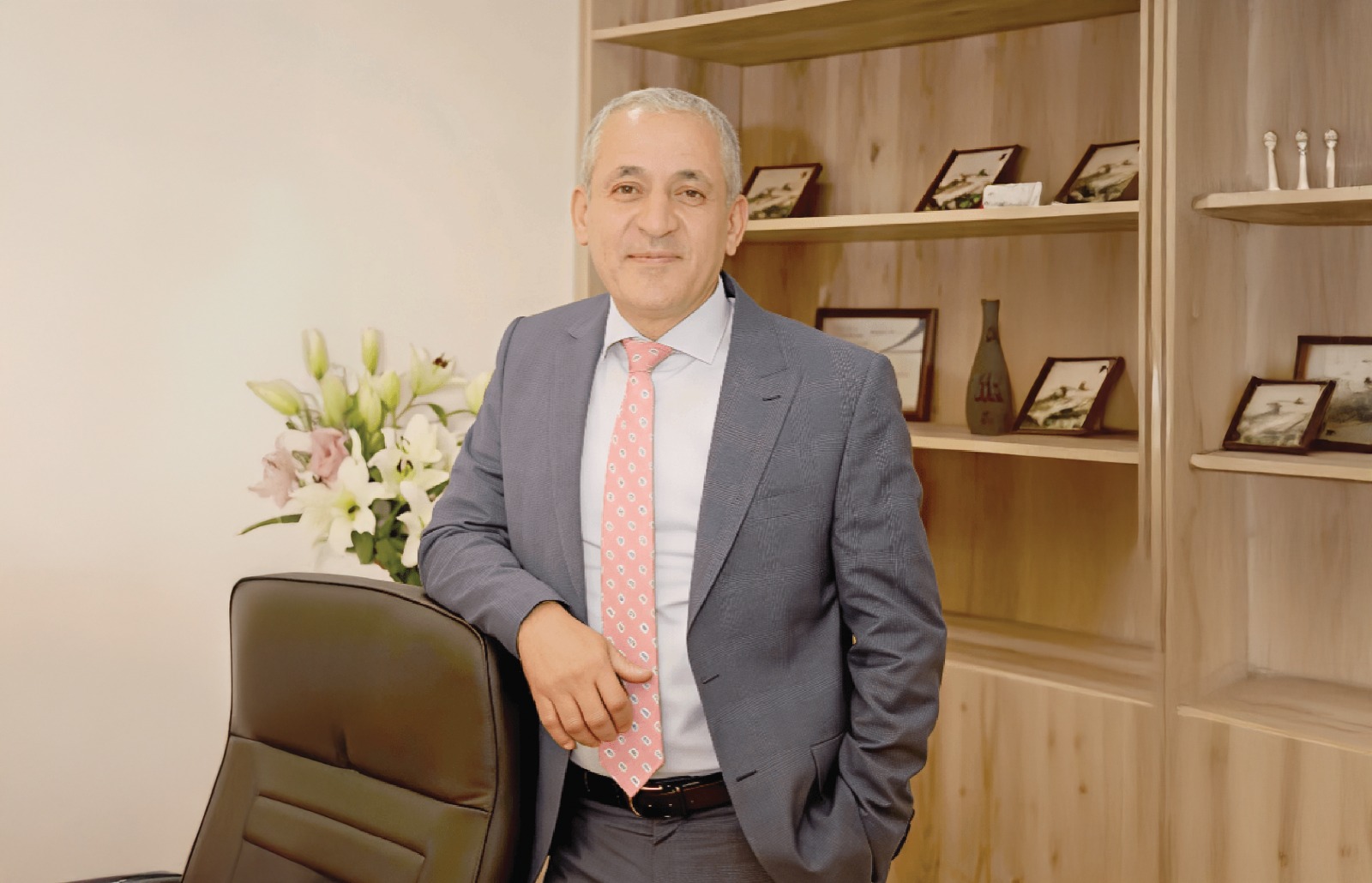
The center is equipped with the latest scientific devices and technologies. It is managed by the distinguished Dr. Hilal Abu Ghoush, Consultant in Gynecology, Obstetrics, Infertility Treatment, and IVF.

A strict quality system is applied to ensure the best results. The Al-Shmeisani Fertility Unit is distinguished by the most advanced methods for diagnosing and treating simple, complex, and unexplained infertility cases, as well as recurrent IVF failure cases.

Reservar una cita

Nuestros doctores

Dr. Hilal Abu-Ghosh

Consultor en Obstetricia, Ginecología, Infertilidad y FIV
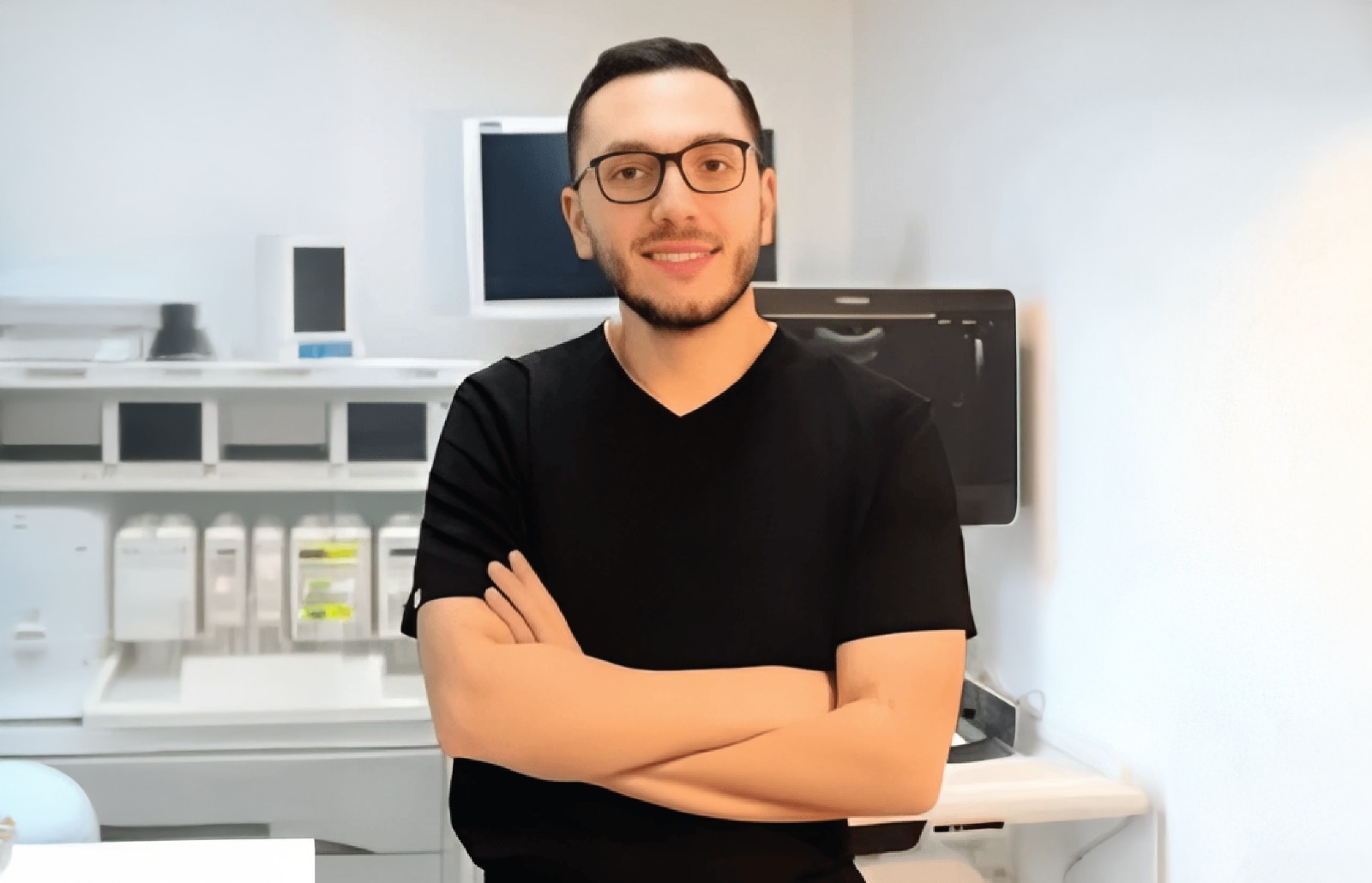
Dr. Khalil Al-Basati

Especialista en Obstetricia, Ginecología y FIV
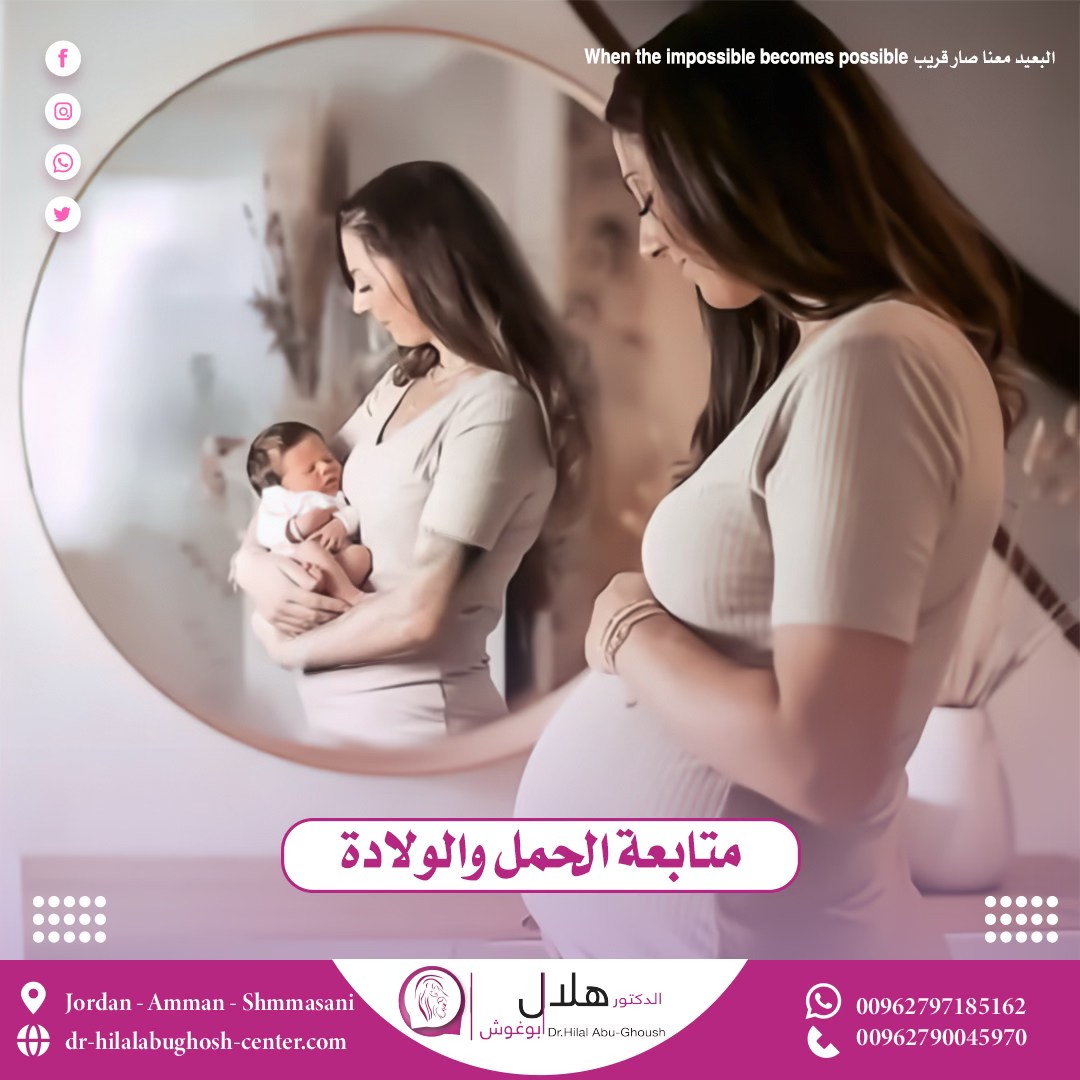
Dr. Baraa Siam

Especialista en Obstetricia, Ginecología y FIV
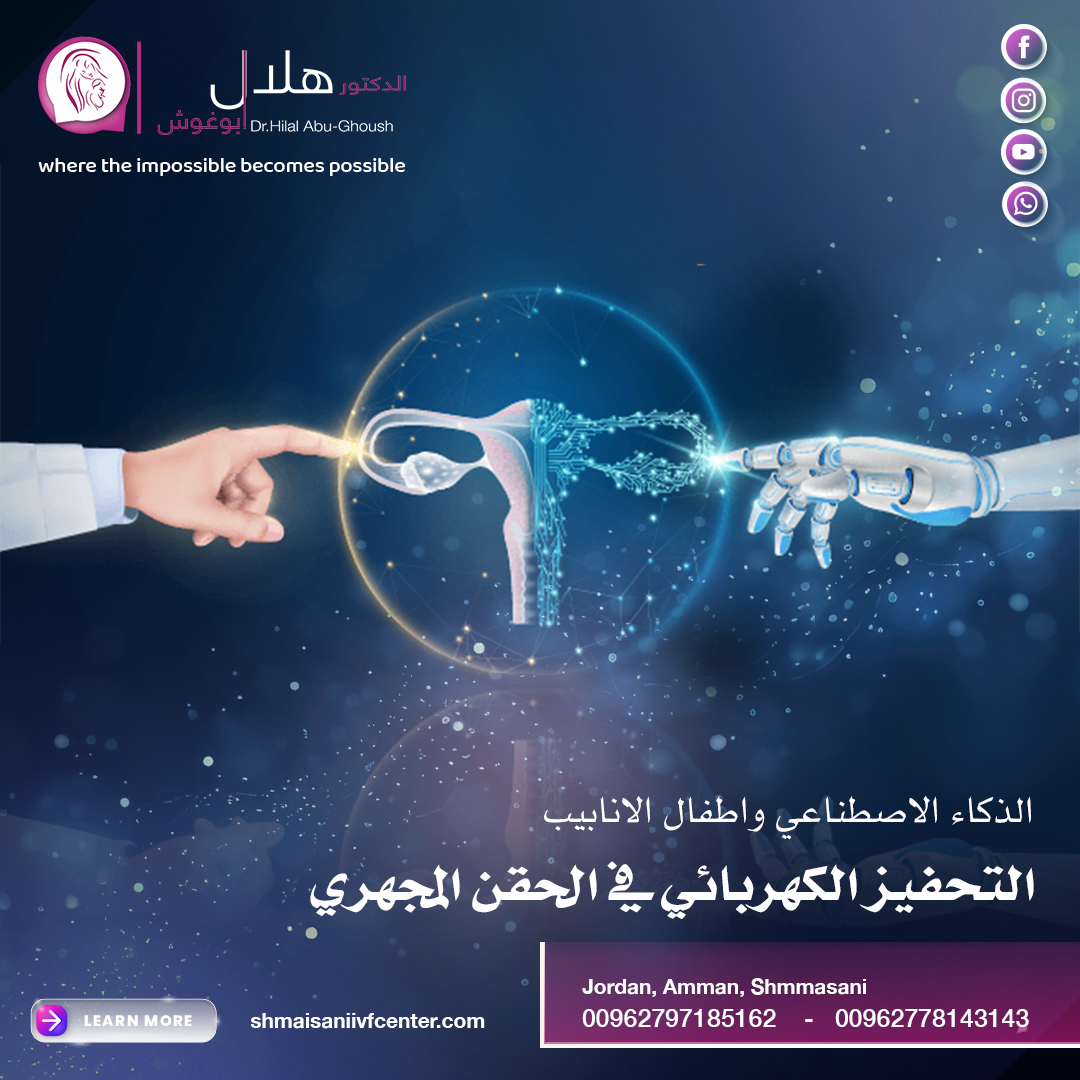
Dr. Yasmin

Especialista en Obstetricia, Ginecología y FIV

Últimas Noticias

Las actualizaciones y anuncios más recientes

Información sobre FIV

La tasa de éxito de la FIV y la inseminación artificial en el mundo árabe e internacional depende del avance de la ciencia y de la adaptación de los centros de FIV a los últimos desarrollos.


12+

Procedure Results

Procedure Results

5+

Duration of Retrieval and Transfer

Duration of Retrieval and Transfer

22+

Duration of Treatment

Duration of Treatment

8+

Number of IVF Cases

Number of IVF Cases

Ofrecemos los mejores servicios

La Unidad de Fertilidad Shmeisani aplica un estricto sistema de calidad y utiliza métodos avanzados para tratar todos los tipos de infertilidad, incluidos los fracasos repetidos de FIV.

¿Qué entendemos por fertilización in vitro (FIV)?

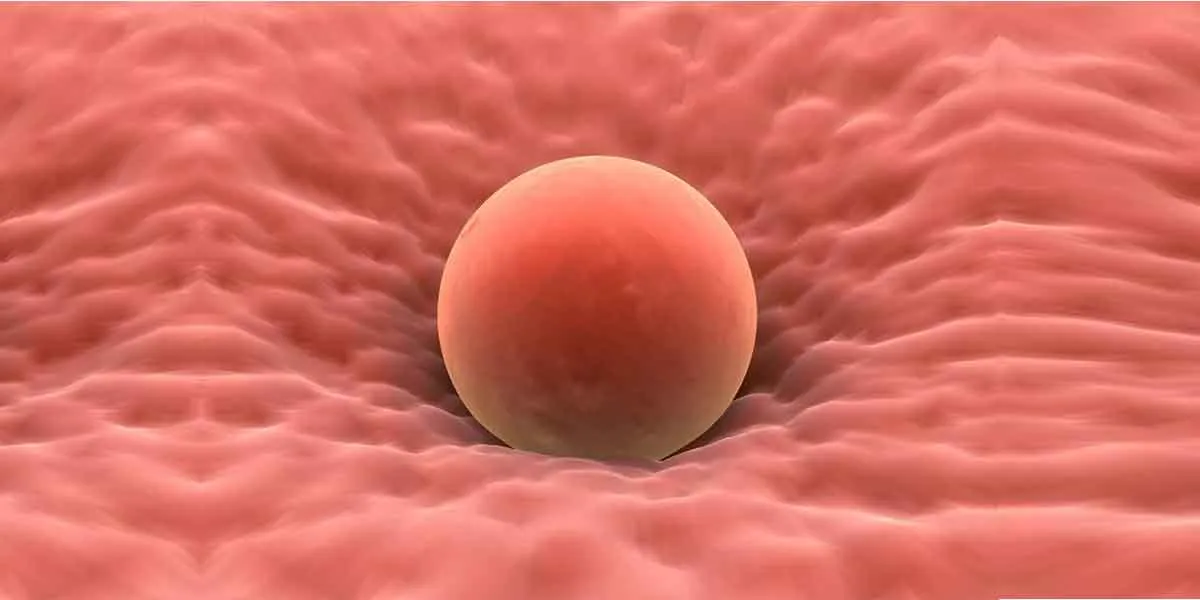
Es la fertilización de un óvulo con espermatozoides en un plato de laboratorio (tubo de ensayo) después de extraer óvulos maduros del ovario. Luego, los óvulos se combinan únicamente con espermatozoides sanos y lavados para lograr la fertilización.

Llámanos:

Envíanos un correo:

Visítanos:

address in English

Reservar una cita

What is IVF (In Vitro Fertilization)?

Fertility problems are no longer as frightening as they once were. Advances in science and treatment methods have provided solutions for many couples struggling with infertility. Treatment varies widely depending on each case, but IVF remains one of the most important options.

Unlike the simpler artificial insemination procedure—where the husband’s sperm is placed directly into the wife’s uterus—IVF involves combining eggs and sperm outside the body in a laboratory. Once the embryo(s) develop, they are transferred directly into the uterus. Although IVF is more complex and costly, it is considered an effective and promising treatment for infertility.

How Does IVF Work?

In natural conception, fertilization occurs inside the woman’s body, and the fertilized egg implants in the uterine lining to develop into a fetus. However, sometimes this process doesn’t occur naturally, prompting couples to seek assisted reproductive technologies. IVF is often chosen after other, less expensive techniques fail.

Basic Steps of IVF:

  1. Ovarian Stimulation:
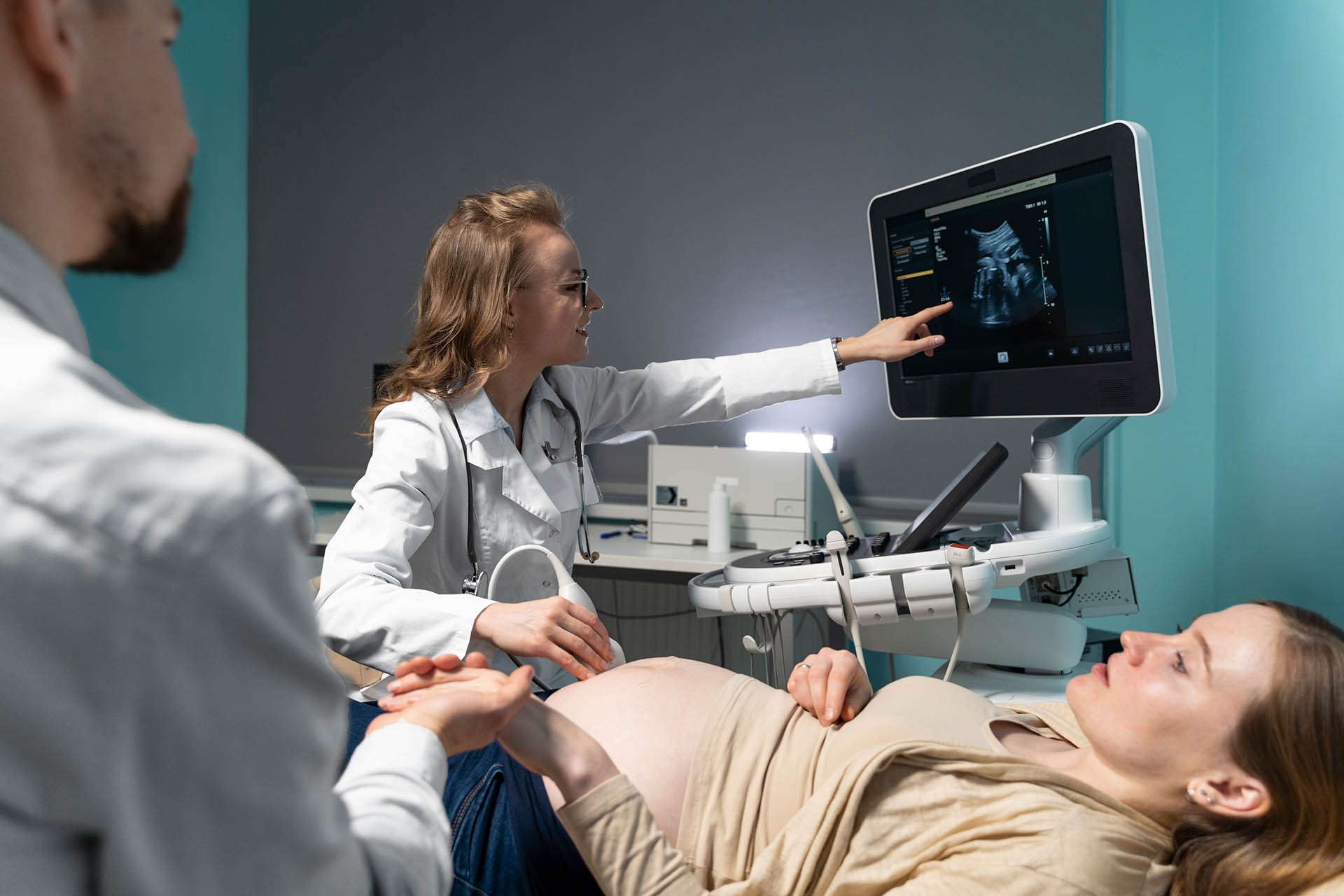
    Medications are given to stimulate the ovaries to produce multiple eggs instead of the usual one per cycle. During this time, the woman undergoes regular ultrasound scans to monitor follicle growth and blood tests to check hormone levels.
     
  2. Triggering Mature Egg Release:
    When eggs are mature, the doctor checks the uterine lining and gives an injection called the “trigger shot” to stimulate the final maturation and release of eggs.
     
  3. Egg Retrieval:
    About 36 hours after the trigger, eggs are collected using a needle inserted through the vagina, connected to a suction device. Simultaneously, a sperm sample is collected from the husband, either on the same day or previously frozen if necessary.
     
  4. Fertilization:
    The husband’s sperm is combined with the wife’s best eggs under carefully controlled lab conditions (temperature, humidity, nutrients). Normally, sperm swim to fertilize the eggs naturally. If sperm count or motility is very low, a specialized technique called Intracytoplasmic Sperm Injection (ICSI) may be used, where a single sperm is directly injected into each egg.
     
  5. Embryo Assessment:
    Fertilized eggs develop into embryos. Doctors monitor their growth, size, and cell count to select the healthiest ones. Some embryos fail to grow or die early. Couples concerned about genetic diseases may opt for Preimplantation Genetic Diagnosis (PGD), where cells from embryos are tested to avoid transferring embryos with genetic disorders and can also determine the embryo’s sex.
     
  6. Embryo Transfer:
    Selected embryos are transferred into the uterus via a thin catheter inserted through the vagina. One or more embryos may be transferred, which can lead to multiple pregnancies (twins, triplets).

Why Choose IVF?

IVF programs began in the 1970s and revolutionized infertility treatment. However, due to cost, couples often try other fertility treatments first (fertility medications, intrauterine insemination) before IVF.

IVF is especially used for:

  • Blocked or damaged fallopian tubes
     
  • Male infertility, including low sperm count or poor motility
     
  • Ovulation disorders such as premature ovarian failure
     
  • Unexplained infertility after other treatments fail

IVF can also help avoid passing on genetic diseases via embryo testing and allows for gender selection if desired.

What Are the Possible IVF Complications?

Like any medical procedure, IVF carries some risks:

  • Ovarian Hyperstimulation Syndrome (OHSS): A rare but serious condition caused by hormone stimulation, leading to fluid buildup in the abdomen and chest.
     
  • Multiple Pregnancy Risks: Transferring multiple embryos increases chances of twins or triplets, which come with higher risks like preterm birth and low birth weight.
     
  • Miscarriage: Slightly increased risk compared to natural conception.

Long-term, IVF pregnancies do not show increased rates of birth defects or major health problems.


Último blog

Mantente informado con conocimientos de expertos, consejos de fertilidad y los últimos avances en FIV para apoyar tu camino hacia la paternidad.

frontend.navbar_home

frontend.navbar_home