 01
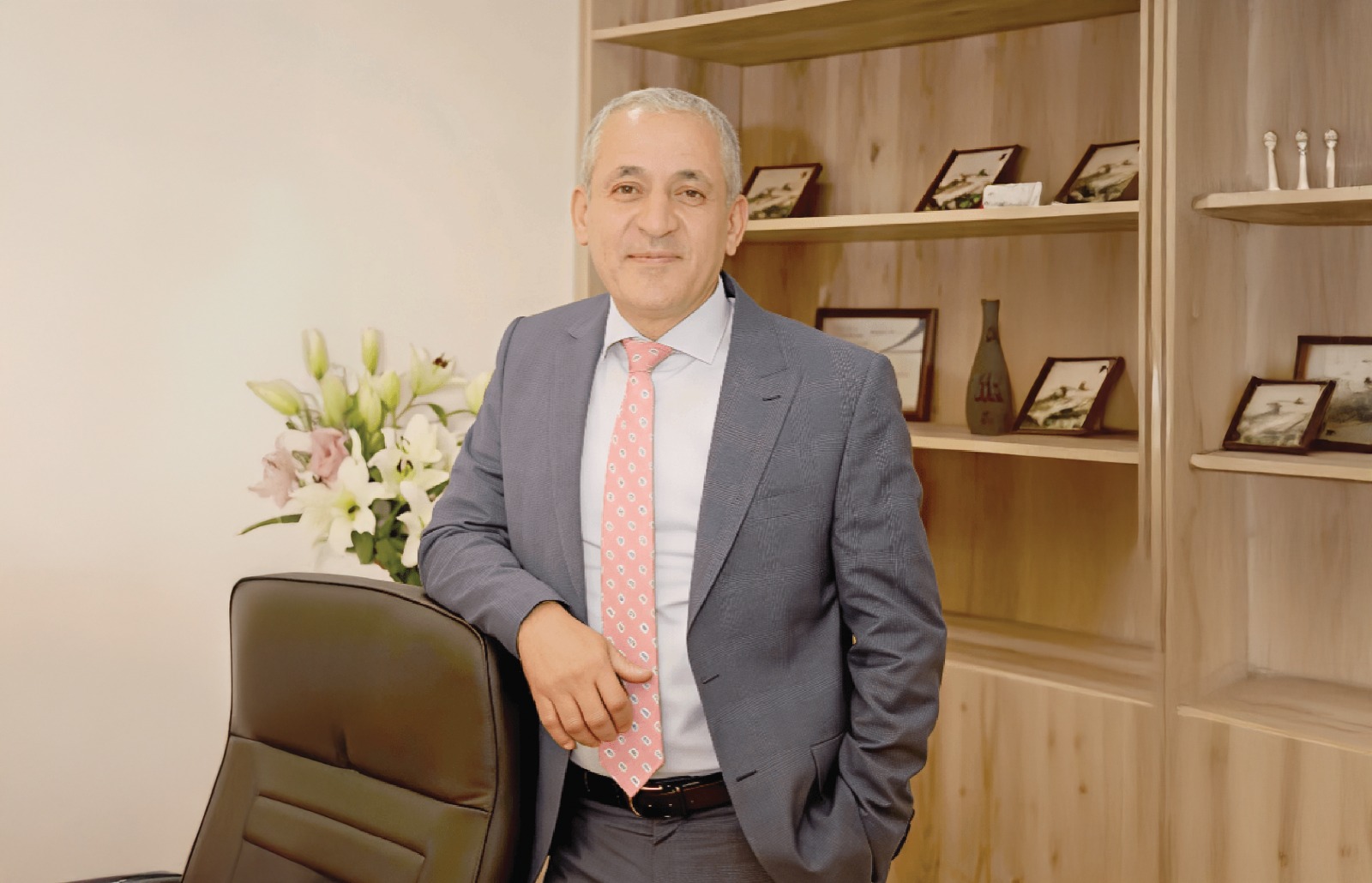
01Dr. Hilal Abu-Ghosh
Consultant en obstétrique, gynécologie, infertilité et FIV
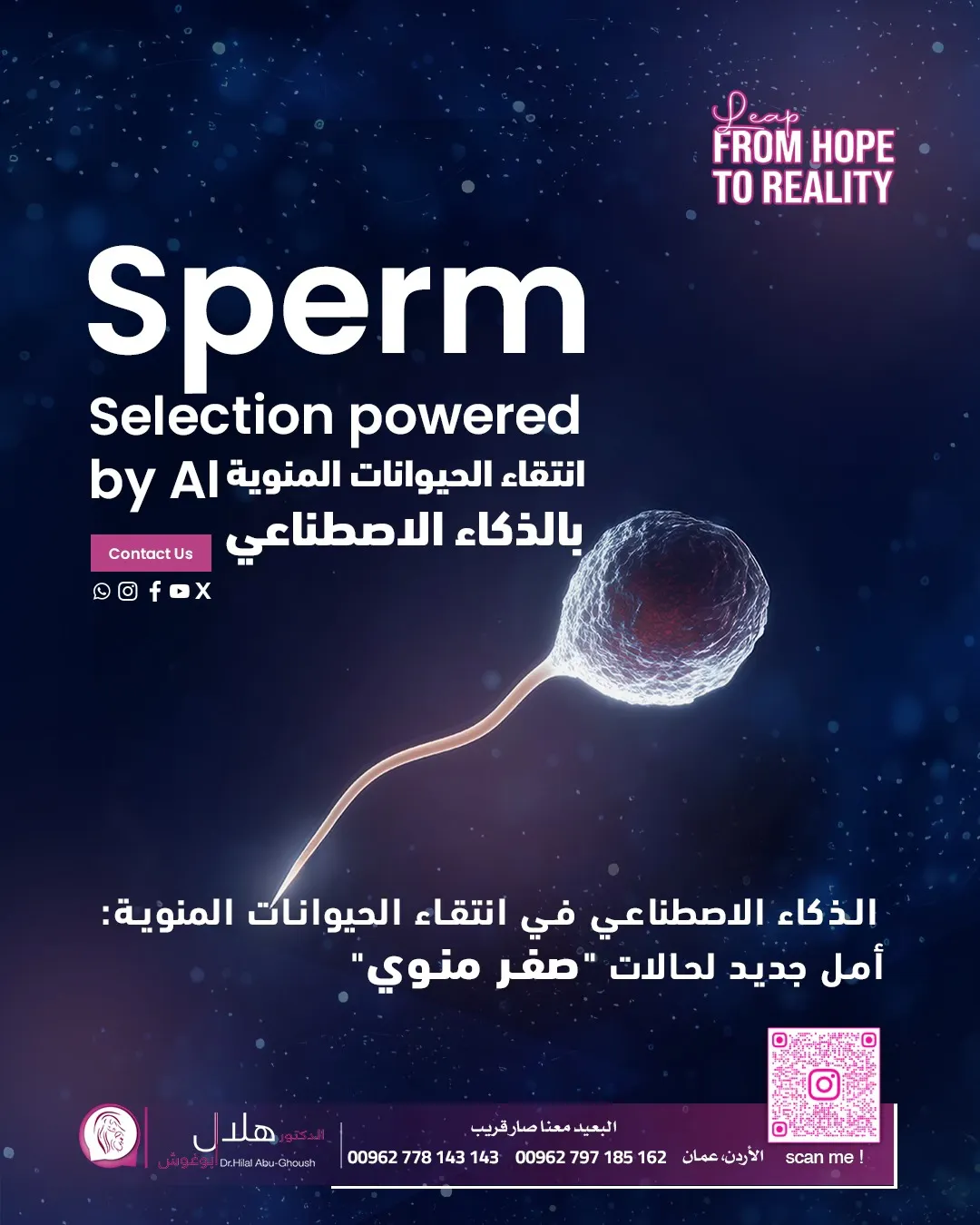
Un centre spécialisé dans la fécondation et la congélation d’ovules sélectionnés après des procédures de stimulation chez les couples, en particulier chez le partenaire masculin. Le sperme est prélevé puis filtré pour isoler les plus forts, et placé dans un environnement optimal afin d’obtenir la fécondation selon des protocoles scientifiques approuvés et les normes médicales internationales.

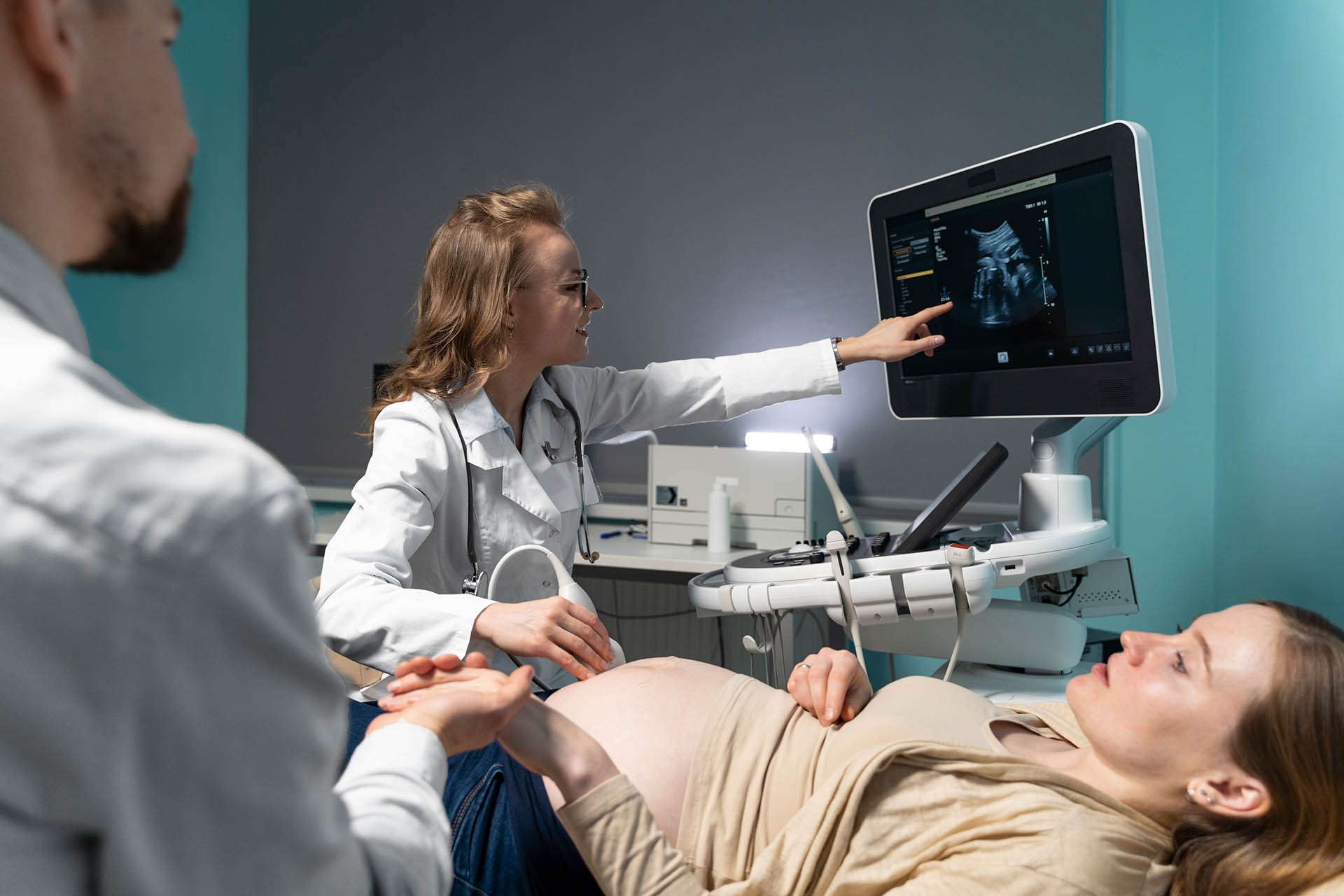
Réservez facilement votre rendez-vous avec le meilleur centre de FIV en Jordanie
(IVF) Al-Shmeisani Fertility and Genetics Center
A specialized center for treating infertility and assisting with pregnancy and childbirth, licensed by the Ministry of Health since 27/12/2015. We are pleased to welcome patients from all over the world.
The center is equipped with the latest scientific devices and technologies. It is managed by the distinguished Dr. Hilal Abu Ghoush, Consultant in Gynecology, Obstetrics, Infertility Treatment, and IVF.
A strict quality system is applied to ensure the best results. The Al-Shmeisani Fertility Unit is distinguished by the most advanced methods for diagnosing and treating simple, complex, and unexplained infertility cases, as well as recurrent IVF failure cases.
01Consultant en obstétrique, gynécologie, infertilité et FIV
 02
02Spécialiste en obstétrique, gynécologie et FIV
 03
03Spécialiste en obstétrique, gynécologie et FIV
 04
04Spécialiste en obstétrique, gynécologie et FIV
L’unité de fertilité Shmeisani applique un système de qualité strict et utilise des méthodes avancées pour traiter tous les types d’infertilité, y compris les échecs répétés de FIV.
Le taux de réussite de la FIV et de l’insémination artificielle dans le monde arabe et international dépend des progrès scientifiques et de l’adaptation des centres de FIV aux dernières avancées.




Les mises à jour et annonces les plus récentes
Restez informé grâce aux conseils d’experts, aux astuces sur la fertilité et aux dernières avancées en FIV pour soutenir votre parcours vers la parentalité.
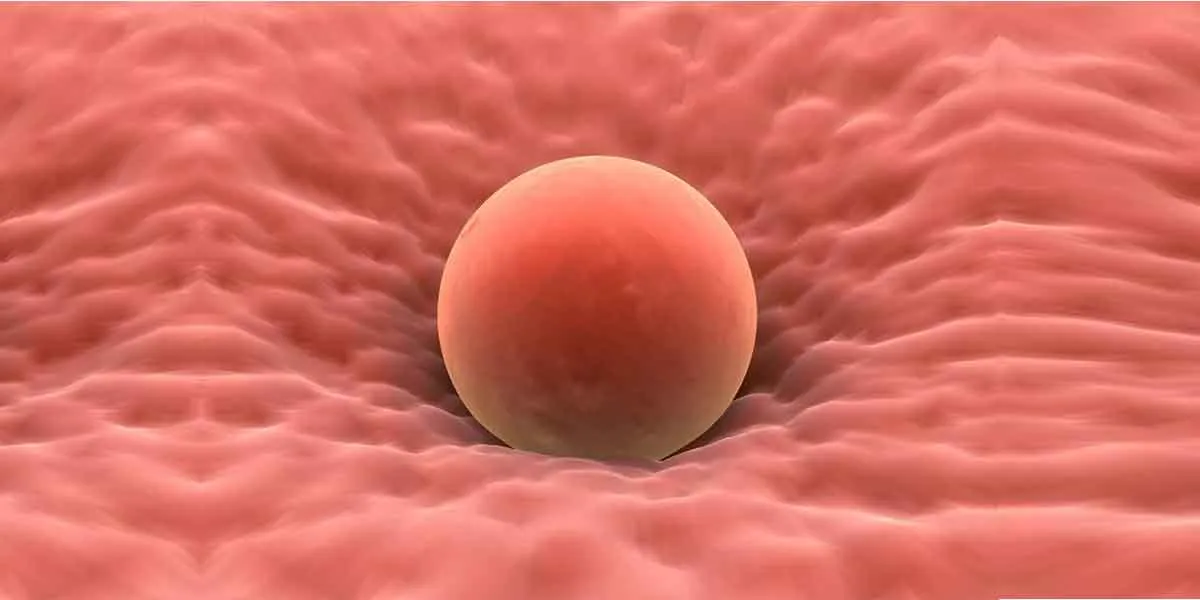
Il s’agit de la fécondation d’un ovule avec un spermatozoïde dans un plat de laboratoire (tube à essai) après la récupération d’ovules matures de l’ovaire. Les ovules sont ensuite combinés uniquement avec des spermatozoïdes sains et lavés pour obtenir la fécondation.